Lemon Law Claim in Dallas, TX
We review repair records for recurring vehicle problems in Dallas, TX.
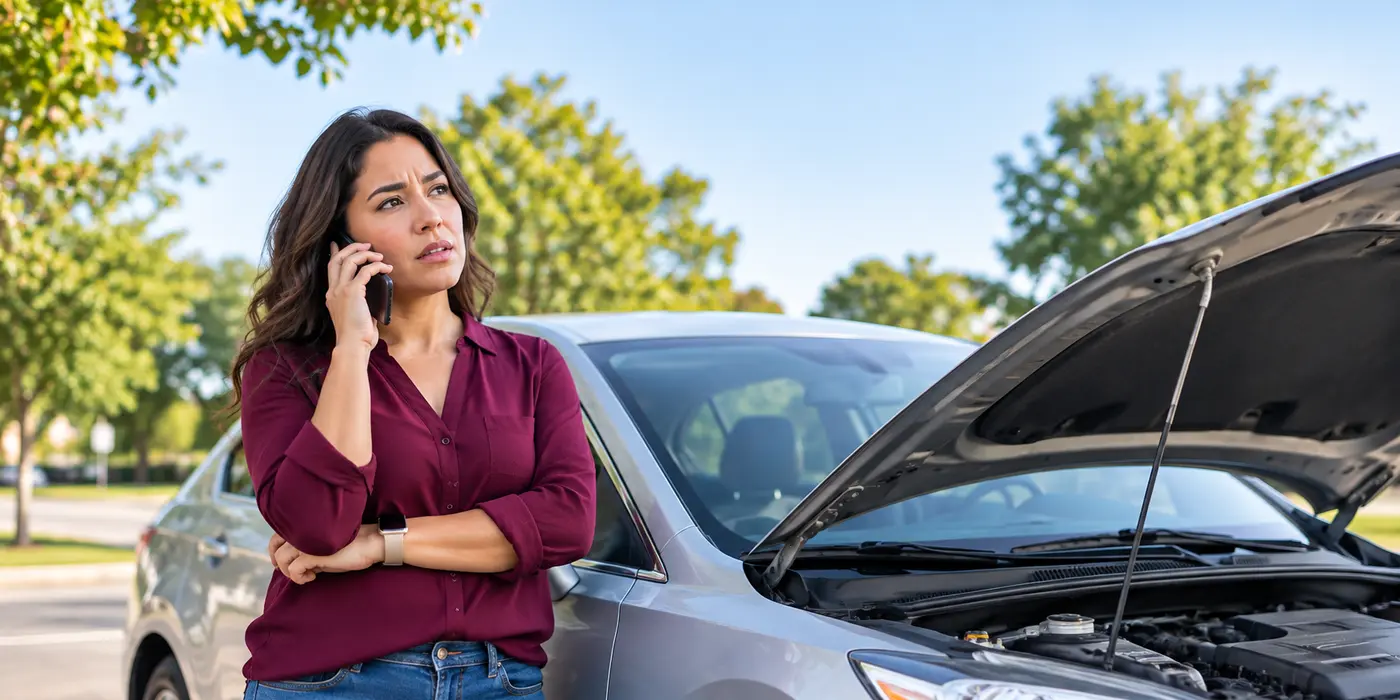
The warning light stays on, the same noise returns after a repair, or your vehicle comes back from the shop with the problem still there. That recurring vehicle problem can lead to a lemon law claim when repair visits, warranty coverage, and service records show a pattern that needs closer review.
We look at the complaint written on each repair order, what the technician recorded, and whether the vehicle was returned for the same condition. A problem like this is worth looking at now because repair paperwork, mileage readings, and warranty records are easier to match while the visits and conversations are still documented.
Warning light and repeat visits
Owners often tell us that the warning light keeps coming back after it was cleared, the car will not start even after a shop visit, or the same clicking, grinding, or rattling noise remains. We also hear about screens that go black, backup cameras that stop working, doors or locks that fail, and a vehicle that repeatedly needs to be towed or returned to the dealer.
The words used at the driveway do not always show what appears in the repair order. We compare the owner’s description with the technician’s notes, diagnostic entries, and parts listed on the invoice because a repeating warning light and a repeating no-start complaint can involve very different records. Similar-sounding complaints can follow separate repair histories, so we examine each vehicle and each shop visit on its own paper trail.
Case review and repair orders
During a case review, we begin with the purchase or lease agreement, the repair orders, and the dates the vehicle went into and out of the shop. We also gather correspondence with the dealer, warranty documents, and any record showing the mileage at each visit.
The first conversation usually establishes the vehicle’s basic history, the condition you noticed, and the sequence of returns to the shop. The paperwork is needed to check those statements against the written complaint, the diagnosis, the repair performed, and the time the vehicle was unavailable. We then review the records together to see whether the documented history supports further work on a lemon law claim.
Repair attempts and warranty records
The count of repair attempts matters, especially when the repair orders describe the same warning, noise, starting issue, or electrical failure. We also look at the days the vehicle was out of service, whether every return visit was written up, and whether the dealer recorded that a repair was completed or could not duplicate the condition.
Warranty status is another important part of the file. We check whether the concern was reported while warranty coverage was running, whether the vehicle was purchased or leased, and who holds the service records. A stack of repair orders with matching dates and mileage can show far more than a verbal account of repeated trips to the shop.
VIN and repair orders
Keep the VIN available from the windshield, registration, insurance card, or purchase paperwork. We use it to connect the vehicle to the repair orders and warranty documents.
Find the purchase or lease agreement and the repair orders from every visit, including invoices marked as warranty work. Check each order for the date in, date out, mileage, written complaint, and technician notes. Save emails, text messages, and letters exchanged with the dealer about the same problem. Call Dallas Lemon Law Solutions at (214) 563-1707 while matching the complaint to each repair visit is still possible from the records.
Next: new car lemon law, or back to the home page.